
WHEN CONFLICT EXPANDS, HUMANITY CONTRACTS: THE RIPPLE EFFECTS OF INSTABILITY ON HUMANITARIAN CARE

Swisscross Humanitarian Mission in Kabul, Afghanistan. 2025
In regions already burdened by fragility, the escalation of conflict rarely remains contained within borders. The reverberations of war—political, economic, and social—extend far beyond the frontlines, reshaping the humanitarian landscape in profound and often devastating ways. For independent organizations like Swisscross, whose mission is rooted in delivering life-changing reconstructive surgery and life-saving cardiac care to vulnerable populations, these ripple effects can mean the difference between access and absence, between care delivered and care denied.
While geopolitical developments dominate headlines, their humanitarian consequences unfold more quietly—yet with enduring impact—on civilians and the organizations striving to support them.
The Shrinking Humanitarian Space
Humanitarian missions depend on stability—not in the political sense, but in the operational one. Access to patients, safe transport of medical teams, and the reliable movement of supplies all require a baseline level of predictability. When conflict escalates, that predictability disappears.
Airspace closures, border restrictions, and heightened security risks can delay or halt surgical missions entirely. Regions that were once accessible may suddenly become unreachable, leaving patients—many already living with untreated trauma or congenital conditions—without the care they have been waiting months or years to receive.
For organizations like Swisscross, which operate independently and often in complex environments such as Iraq and Afghanistan, these disruptions are not abstract—they are immediate and deeply consequential.
Strained Supply Chains and Rising Costs
Conflict also disrupts global and regional supply chains. Medical equipment, surgical tools, anaesthetics, and post-operative care materials become harder to procure and transport. What once moved efficiently through established channels may now face delays, rerouting, or prohibitive costs.
At the same time, insurance premiums for operating in high-risk areas rise, logistical costs increase, and donor uncertainty can grow. Independent NGOs, which rely on careful allocation of limited resources, are forced to stretch budgets further while delivering under increasingly constrained conditions.
The result is a difficult balancing act: maintaining the quality and safety of care while navigating an environment where every operational element is under pressure.
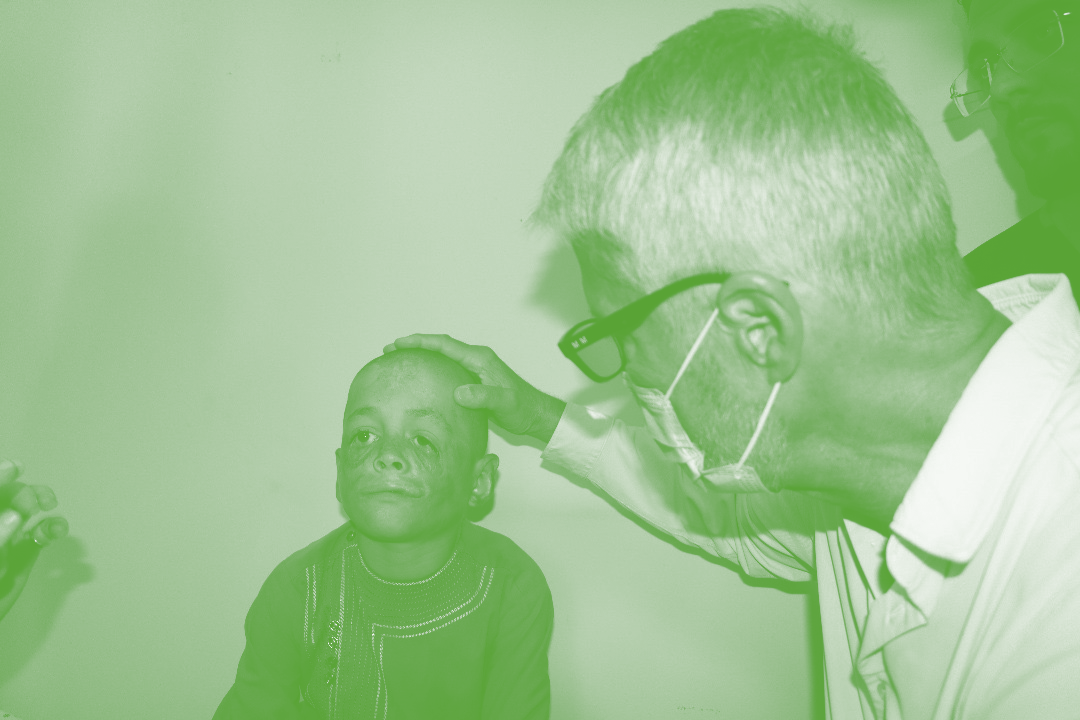
During a Humanitarian Mission in Kabul last year, Swisscross Founder, Dr Enrique Steiger triages a young boy with extensive burn trauma,
The Invisible Burden on Patients
While operational challenges are significant, the greatest burden falls on patients. Conflict exacerbates existing vulnerabilities, pushing already marginalized populations further from access to care.
In many of the regions where Swisscross works, patients are living with critical heart conditions and complex reconstructive needs—burn injuries, congenital differences, and trauma-related conditions. These are not elective procedures; they are life-saving and life-altering interventions that restore function, dignity, and the ability to participate in society.
When conflict disrupts humanitarian missions, these patients are left in limbo. Delayed surgeries can lead to worsening conditions, increased complications, and prolonged suffering. For children, in particular, missed treatment windows can have lifelong consequences.
Neutrality Under Pressure
In times of heightened geopolitical tension, maintaining humanitarian neutrality becomes both more essential and more challenging. Independent NGOs must navigate complex political environments while ensuring that their work remains strictly impartial—guided only by need.
Swisscross, like many humanitarian organizations, operates on the principle that care should be delivered without discrimination. Remaining steadfast in neutrality is not only a moral imperative—it is also critical to maintaining trust with local communities and ensuring continued access to those in need.
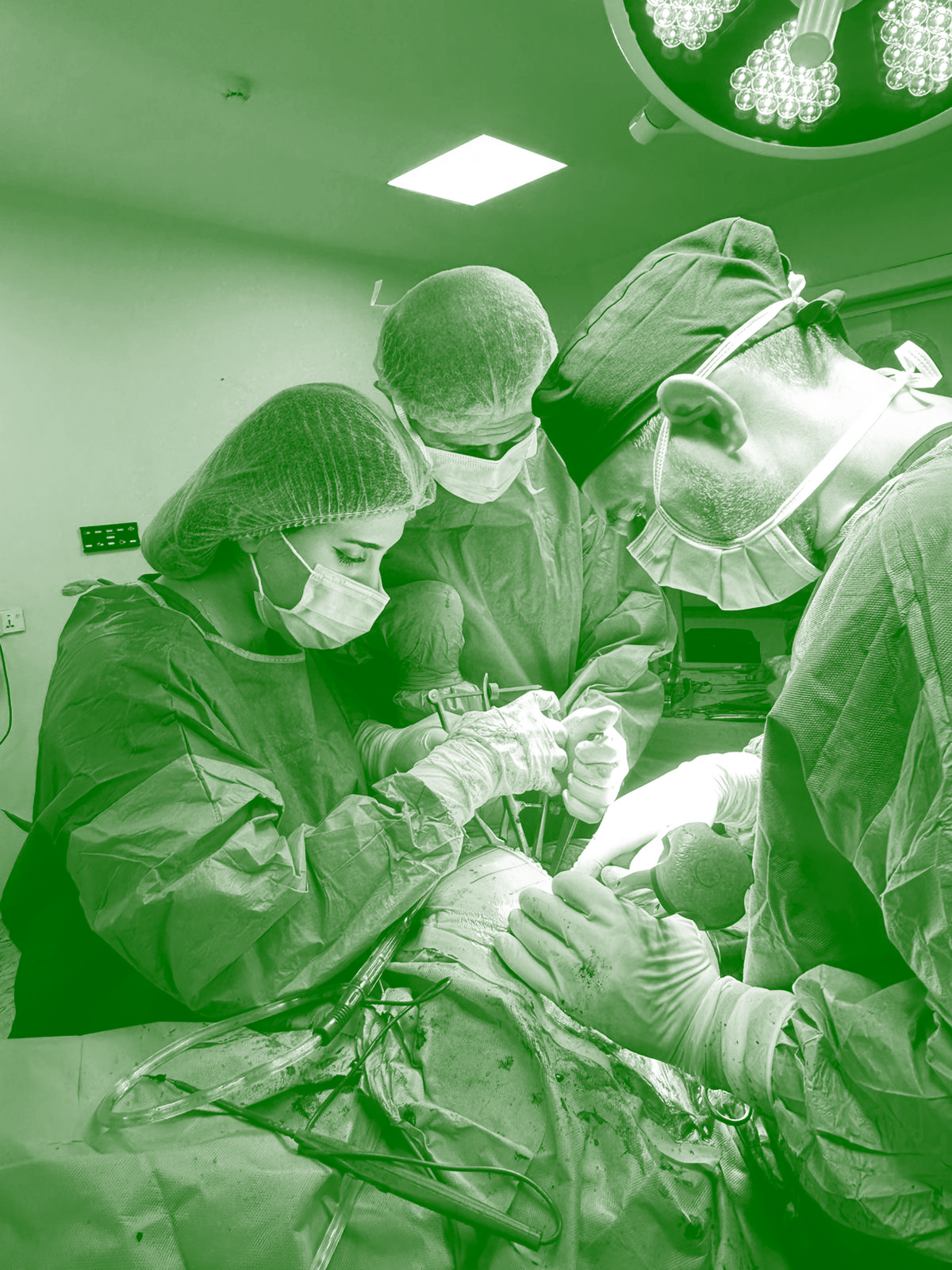
Local surgeons, doctors, nurses and medical staff in Erbil, Kurdistan Region of Iraq have constantly stepped-up to care for their communities. January 2026
Resilience and Adaptation
Despite these challenges, humanitarian organizations continue to adapt. Flexible planning, strong local partnerships, and a commitment to long-term engagement enable missions to persist even in uncertain environments.
Swisscross’s model—working closely with local medical professionals, building capacity, and returning consistently to the same regions—helps create a foundation of resilience. When external conditions shift, these local relationships become even more vital, allowing care to continue.
At the heart of this resilience are Swisscross’s dedicated local teams in Iraq and Afghanistan, whose unwavering commitment ensures continuity of care even in the most challenging circumstances. These professionals—surgeons, nurses, and support staff—continue to show up for their communities despite insecurity and uncertainty, often working with limited resources and under significant pressure. Their deep understanding of local needs, combined with their determination to serve, enables Swisscross to sustain its humanitarian mission when external access is constrained. It is their courage and consistency that transform resilience from a concept into a daily reality on the ground.
However, resilience should not be mistaken for invulnerability. The ability to adapt does not eliminate the impact of conflict—it only mitigates it.
A Shared Responsibility
The humanitarian consequences of conflict are not confined to any single organization or region. They are a collective challenge that requires sustained attention, support, and understanding from the global community.
For independent NGOs, continued support—whether through funding, advocacy, or awareness—is essential to maintaining operations in the face of instability. Equally important is the recognition that behind every disrupted mission are real individuals whose access to care has been delayed or denied. For organizations like Swisscross, the mission remains unchanged: to deliver critical reconstructive and cardiac care to those who need it most.
Yet the path to fulfilling that mission becomes more complex with each new layer of instability.
In a world where geopolitical events can rapidly reshape realities on the ground, it is vital to keep sight of the human impact—of the patients waiting, the communities affected, and the enduring need for impartial, compassionate care.
Because even as conflict expands, the imperative to heal must remain constant.