

„BECAUSE WAR DOES NOT JUST DESTROY COMMUNITIES, IT DESTROYS HOPE.“
OUR PROJECTS
Swisscross works in fragile settings where conflict, displacement and poverty has devastated lives. Partnering directly with communities affected by war, we deliver long-term reconstructive surgical care close to those who need it most—currently in Iraq and Afghanistan.
Our model links local surgical teams with a global network of medical professionals, using digital tools and expertise to bring specialized knowledge into low-resource environments. These centres of complex care attract humanitarian professionals across disciplines and focus on vulnerable communities with neglected injuries who would otherwise have no access to treatment.
ERBIL, KURDISTAN, IRAQ
Erbil is where Swisscross proved that long-term humanitarian reconstructive surgery can work. Launched in 2021 with UAE Aid, the Centre of Excellence for Complex Care began as a pilot—and quickly became a trusted operational model. Within three years, Swisscross demonstrated that sustained presence, trusted partnerships, and continuity of care deliver life-changing results in post-conflict settings.
In the Kurdistan Region of Iraq, more than one million refugees, internally displaced people, and vulnerable host communities face severe barriers to surgical and specialized care. Untreated injuries, chronic conditions, and conflict-related trauma leave many living with preventable disability and long-term suffering. By restoring function, dignity, and hope, the Centre of Excellence for Complex Care has shown how long-term, community-rooted care can transform lives in even the most fragile settings.
-
In Erbil, Swisscross runs its longest-standing humanitarian surgical program—delivering advanced reconstructive care to people living with the lasting effects of burns, trauma, congenital differences and disability. Working in close partnership with local government, hospitals, and health authorities, the program successfully demonstrates the transformative impact of the continuity of care in a humanitarian setting.
At Zheen International Hospital in the Kurdistan Region of Iraq, Swisscross teams provide complex, often multi-stage reconstructive surgery for adults and children—supporting patients from initial assessment through recovery. By working side by side with local surgeons, anaesthetists, nurses, and theatre staff, Swisscross strengthens skills from within while delivering life-changing care. Thousands of patients have been screened, hundreds of surgeries performed, and repeat specialist missions carried out—making Erbil the foundation of the Swisscross model and a blueprint for expansion into other fragile settings.
-
Erbil represents a turning point in how humanitarian surgery can be delivered. It showed that with the right environment, trusted local partnerships, and time to plan and follow patients through recovery, surgical care can move beyond crisis response to achieve lasting results. The program transformed uncertainty into evidence—demonstrating that complex reconstructive cases can be managed safely, outcomes can be measured, and local teams can grow in confidence and leadership. What emerged in Erbil is not just a successful program, but a scalable approach: one that prioritizes depth over speed, and long-term change over short-term presence. This experience continues to shape how Swisscross designs, delivers, and expands its work in some of the world’s most challenging settings.
ERBIL HUMANITARIAN CHALLENGES
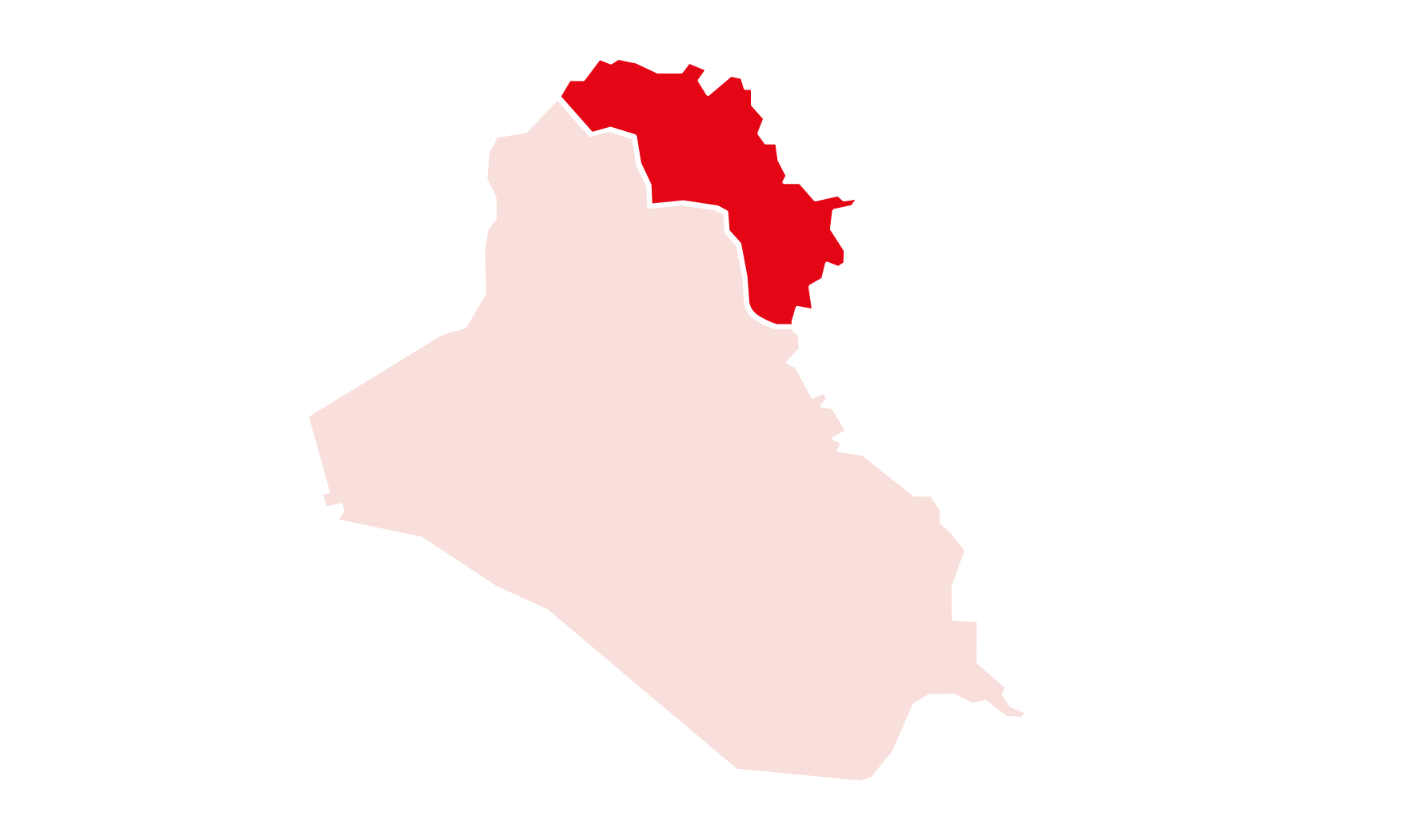
Over 348,000 refugees live in Iraq — more than 80% are hosted in the Kurdistan Region of Iraq.

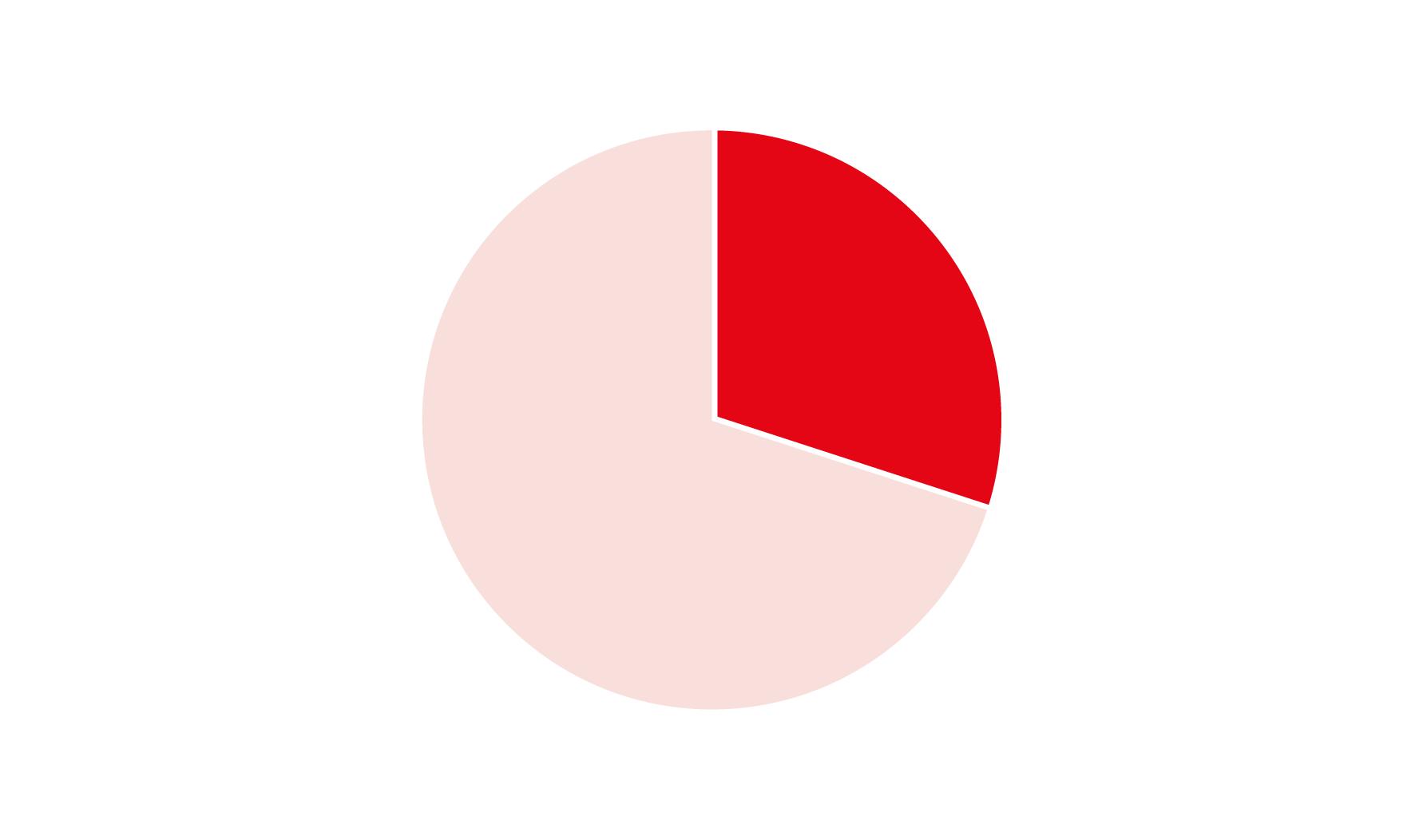
600,000 internally displaced people (IDPs) are hosted by the Kurdistan Region alongside refugees, many with untreated conflict-related injuries.
30% of refugees and IDPs live in camps — where access to specialist and surgical care is extremely limited.
KABUL, AFGHANISTAN
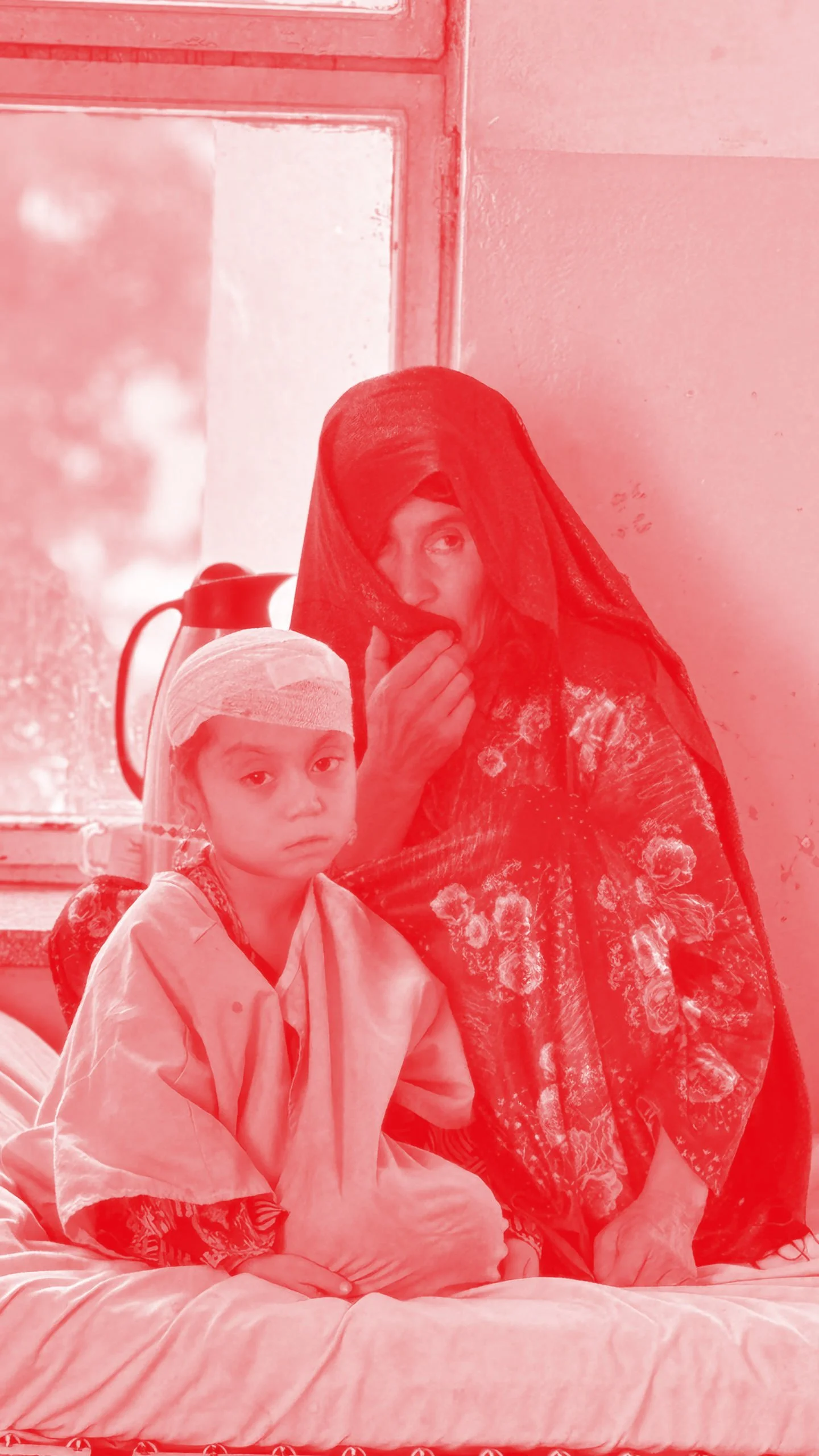
Afghanistan is facing a deep humanitarian and health crisis, where millions are cut off from essential surgical care. Injuries and conditions that are fully treatable elsewhere are becoming life-altering simply because surgery is out of reach.
Years of conflict, economic collapse, and shrinking international support have pushed an already fragile health system to the brink. Nearly 24 million people lack access to essential medical services, as hospitals struggle with staff shortages, limited supplies, and failing infrastructure. Trauma injuries, burns, congenital conditions, and chronic diseases often go untreated—leaving women and children especially vulnerable.
In this context, access to safe, specialized surgery can mean the difference between lifelong disability and recovery. Swisscross began operating in Afghanistan in late 2023, working alongside local hospitals and medical teams in Kabul to deliver life-changing reconstructive surgery and complex cardiac care. By strengthening local capacity, Swisscross is helping ensure more patients can be treated—today and in the years ahead
-
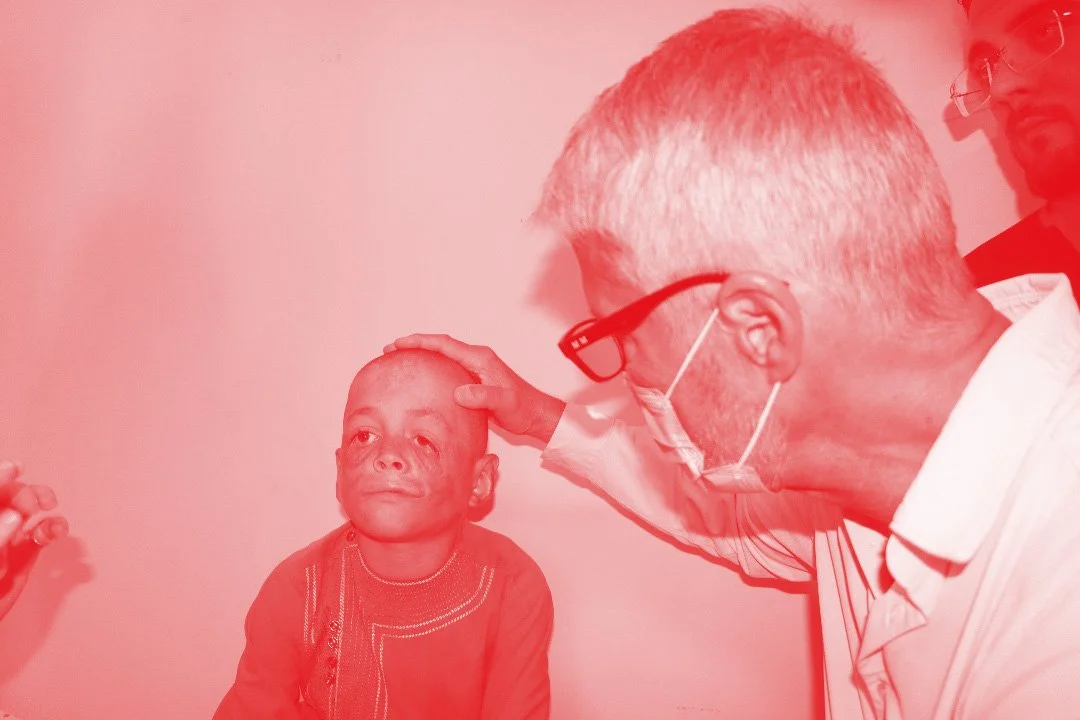
In Kabul, Swisscross delivers specialized surgery where access is most limited and the consequences of inaction are severe. Working alongside public hospitals—including Maiwand Teaching Hospital—our teams provide reconstructive surgery for patients living with long-neglected injuries.
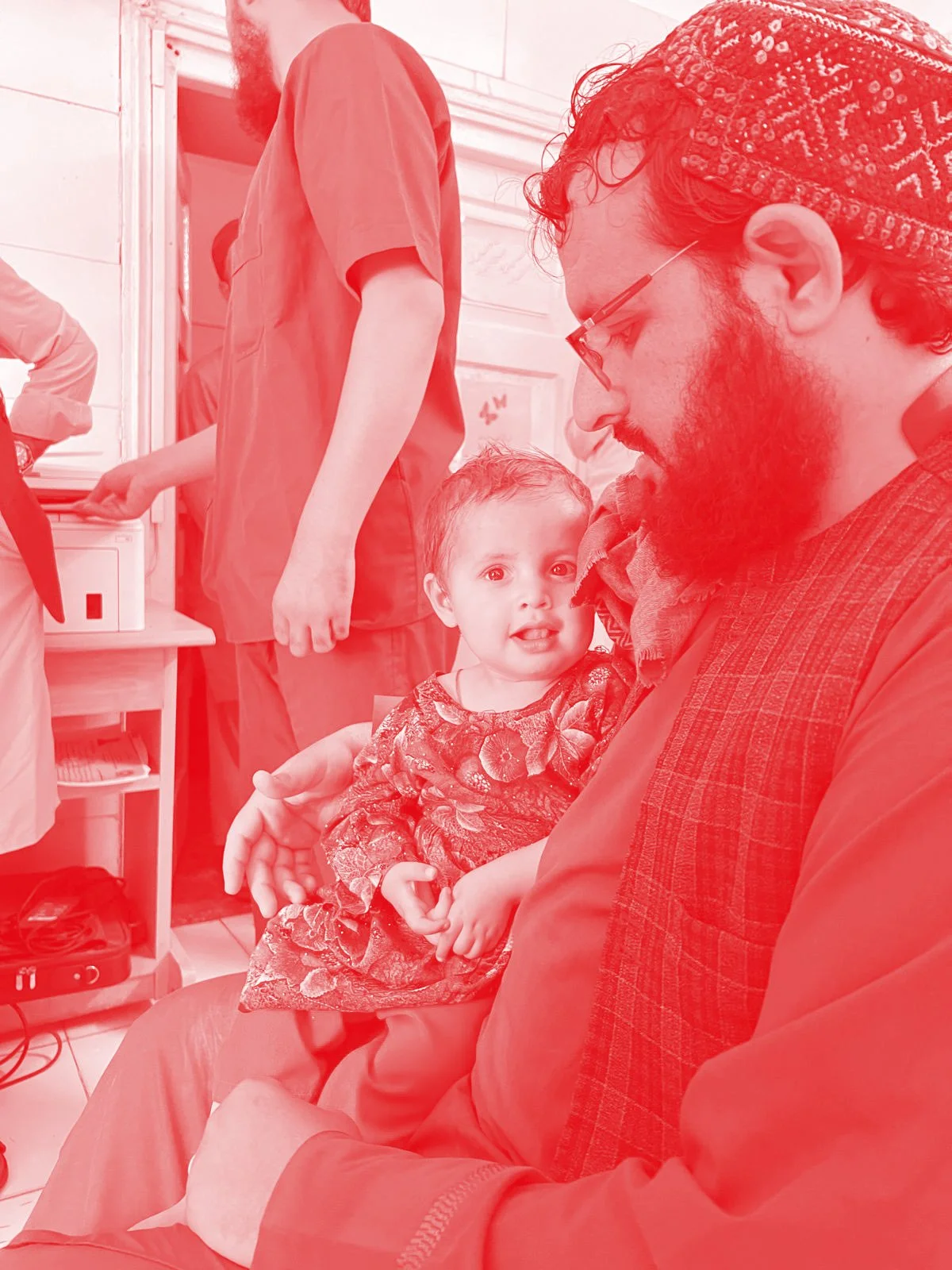
In partnership with Zurich-based Eurasia Foundation, Swisscross also delivers complex cardiac care and has co-established a Cardiac Catheterization Laboratory at the Institute of Thoracic and Cardiovascular Diseases, Kabul. From children with severe burn injuries to vulnerable adults with life-threatening heart disease, Swisscross brings highly skilled care that restores function, dignity, and hope.
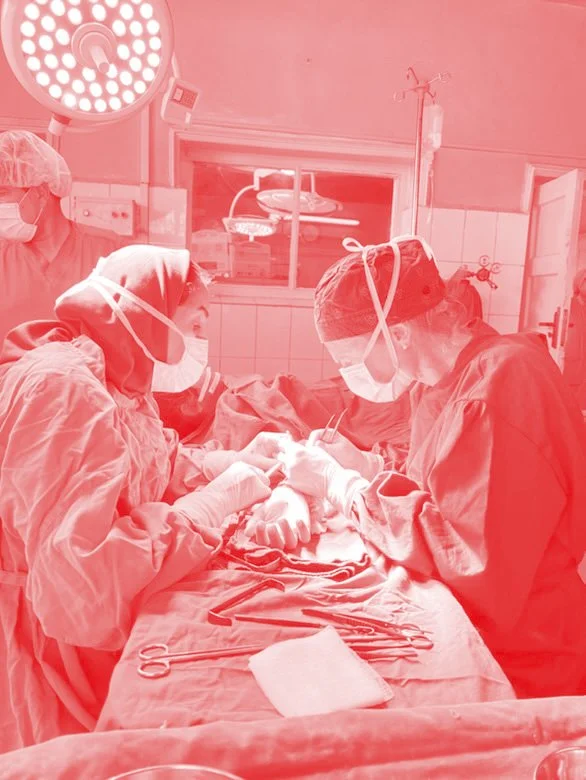
Every mission is built on collaboration—operating side by side with Afghan surgeons, nurses, and anaesthetists to strengthen skills and ensure care continues beyond each intervention. Recent missions in Kabul screened more than 500 patients, treated over 120 people, and supported 30 open-heart surgeries, with additional reconstructive missions delivering complex operations in just days. These results reflect not only lives changed, but a health system strengthened from within.
-
Afghanistan is one of the hardest places in the world to access safe surgical care—and one of the most urgent. Years of compounded strain have left the health system unable to meet overwhelming need. Swisscross responds with a clear purpose: deliver high-quality, specialized surgery where it is least available, while strengthening local services from within.
Every mission is built on trust, collaboration, and practical support for frontline teams. With your support, Swisscross can deploy specialist volunteers, equip operating theatres, and reach patients who would otherwise be left without care.
AFGHANISTAN HUMANITARIAN HEALTHCARE CRISIS

14.3 million people need health & surgical services.

22.9 million - almost 50 % of the population require humanitarian assistance .
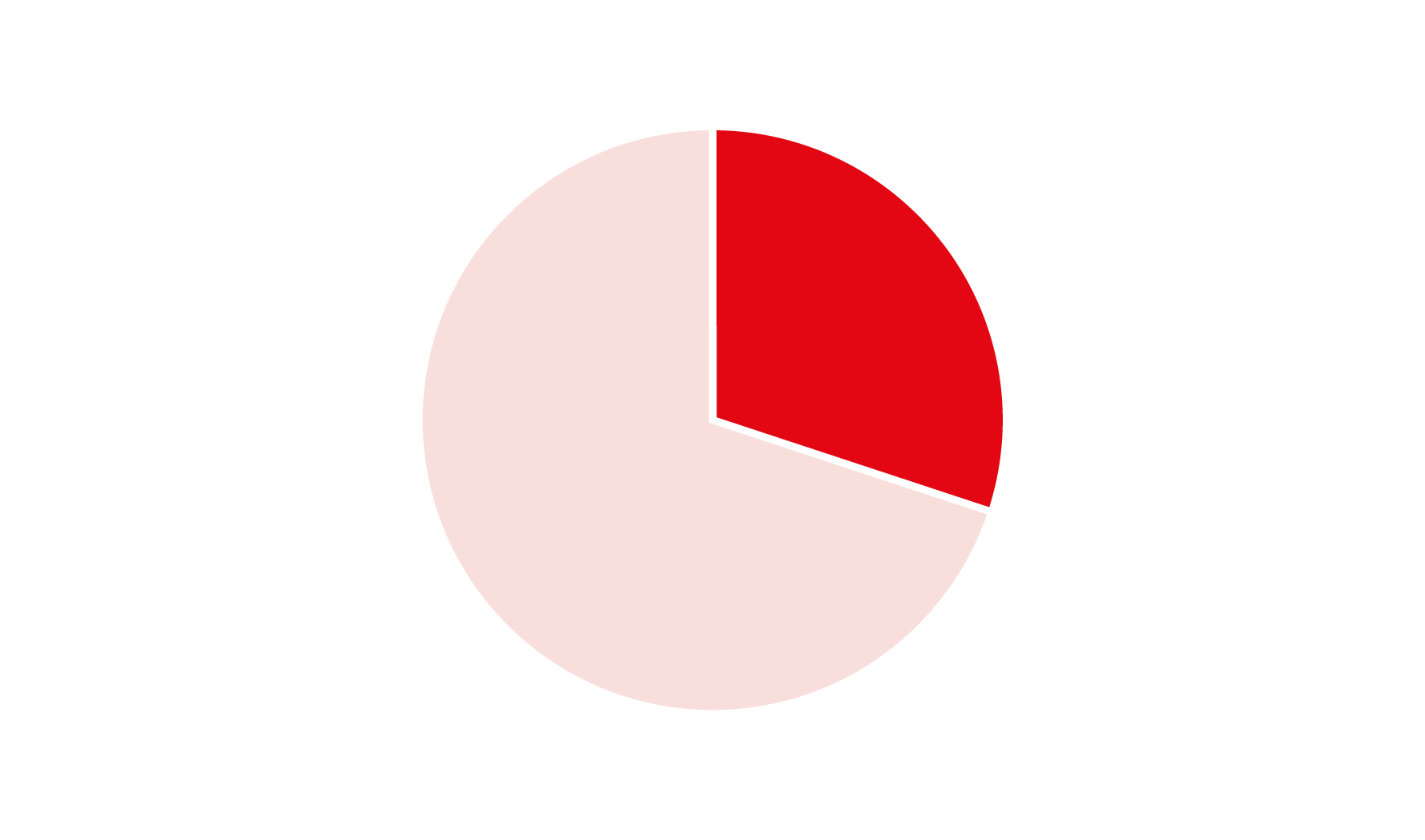
43 % of deaths in Afghanistan are due to non-communicable disease, including cardiovascular conditions, which contribute significantly to mortality.
MORE PROJECTS
-
The Swisscross Foundation in partnership with the American University of Beirut - Global Health Institute established a “Center for Research and Education in the Ecology of War” (CREEW) with the vision to develop global excellence in the ecology of war.
CREEW-MENA hosted by GHI will be the regional center and the hub for other CREEW centers to be established in different regions of the world.
This fellowship will equip frontline health practitioners from conflict zones or seeking to work in conflict zones with the necessary skills that would enable them to conduct research into the relationship between health and war. The empirical data would be used by CREEW to produce thematic guidelines and policy briefs that inform policy makers and health professionals alike.
-
Afghanistan’s health system has faced compounding pressures for years. Swisscross operates with a simple aim: deliver high-quality surgical care where it’s hardest to access, and do it in a way that strengthens local services. Every mission is built on trust, collaboration, and practical support to frontline healthcare teams.
Your support helps Swisscross send volunteer specialist teams, equip operating theatres, and reach patients waiting for care that’s otherwise out of reach.
-
ICRC opened the WTTC (Weapons Traumalogy and Training Center) in 2014 to bring together the top healthcare professionals in the world and victims of war. The patient population was people who had neglected injuries from the weapons of war, mostly from Lebanon, Syria, and Yemen.
Swisscross was partnered with ICRC to provide surgical expertise and advice on materials and methods for maxillofacial, plastic, & reconstructive surgery. Swisscross made their last mission to WTTC in February 2020 just before the COVID pandemic forced the shutdown of the centre.
COLLABORATORS
-
UAE Aid is a philanthropic partner to the Erbil, Iraq Centre of Excellence for Complex Care for 2021-2022 providing financing to bring humanitarian reconstructive surgery to vulnerable populations in northern Iraq.
-
Working with Nobel Peace Prize Laureate and UNODC Goodwill Ambassador Nadia Murad through her charitable initiative, Swisscross is able to access victims of war, genocide, and gender violence in western Iraq to provide complex care.
-
Swisscross works with the Barzani Charity Foundation to connect some of northern Iraq’s most vulnerable populations, in IDP and refugee camps, to our Centre of Excellence in Complex Care in Erbil.
-
Swisscross partnered with the ICRC to bring surgical specialists to the Weapons Traumatology and Training Centre in Lebanon and continues to work with them to facilitate care for weapon wounded in Iraq.
-
A joint program between Swisscross and AUB, the Center for Research and Education in the Ecology of War (CREEW) fellowship equips frontline health practitioners working in conflicts settings with the necessary skills that would enable them to conduct research into the relationship between health and war..
-
Flatten is a non-profit organization focused on developing an agile, inexpensive and robust self-reporting participatory syndromic surveillance tool for the COVID-19 pandemic internationally with the aim to broaden epidemiological data-collection processes. Swisscross collaborated with them to bring a data surveillance tool to Mogadishu, Somalia during the COVID pandemic and build our own electronic triage tool.
-
EurAsia Heart Foundation is a Swiss-based NGO that consists of a group of European doctors and nurses who work on cardiovascular diseases in children, adolescents and adults. The foundation's doctors and nursing specialists are involved in continuous, further training cooperation in developing and emerging countries according to the principle of “helping people to help themselves”.
-
Kispi the largest pediatric and pediatric surgery center in Switzerland and one of the leading centers in the world. They treat and care for children and young people, support them in their development and look after them together with their families.
-
Global Women Leaders is a community of women leveraging their collective skills, influence, and expertise to improve the wellbeing of people living in the world's most neglected crises. They have partnered with Swisscross to help us access institutional philanthropic funding.